

Don't Let Cold Weather Catch You Off Guard: Checking Your Heating Oil Tank for Leaks

As New England experiences record-breaking cold temperatures this winter, your heating system is working overtime to keep your home or business warm. While you're staying cozy inside, now is the critical time to ensure your heating oil tank isn't developing problems that could lead to costly leaks and environmental damage.
Why Cold Weather Increases Tank Risks
Extreme cold puts additional stress on heating oil tanks in several ways:
Increased demand means more frequent deliveries. Your tank experiences more fill cycles during cold snaps, which can reveal weaknesses in aging tanks or expose small cracks that expand under pressure.
Temperature fluctuations cause expansion and contraction. As temperatures swing from frigid nights to slightly warmer days, metal tanks expand and contract. Over time, this can weaken seams, joints, and the tank material itself.
Condensation becomes a bigger problem. When warm, humid air enters a cold tank during filling, condensation forms on interior walls. This moisture sinks to the bottom and can accelerate corrosion from the inside out.
Warning Signs Your Tank May Be Leaking
Catching a leak early can save you thousands of dollars in cleanup costs and prevent environmental contamination. Watch for these red flags:
Visual indicators:
Oil stains or discoloration on the tank exterior
Wet spots or oil sheens around the tank base
Rust, corrosion, or weak spots on the tank surface
Damaged or corroded fill and vent pipes
Oil odors near the tank or in your basement
Performance issues:
Running out of oil faster than expected
Unexpectedly high fuel consumption
Dead vegetation near an outdoor tank
Environmental signs:
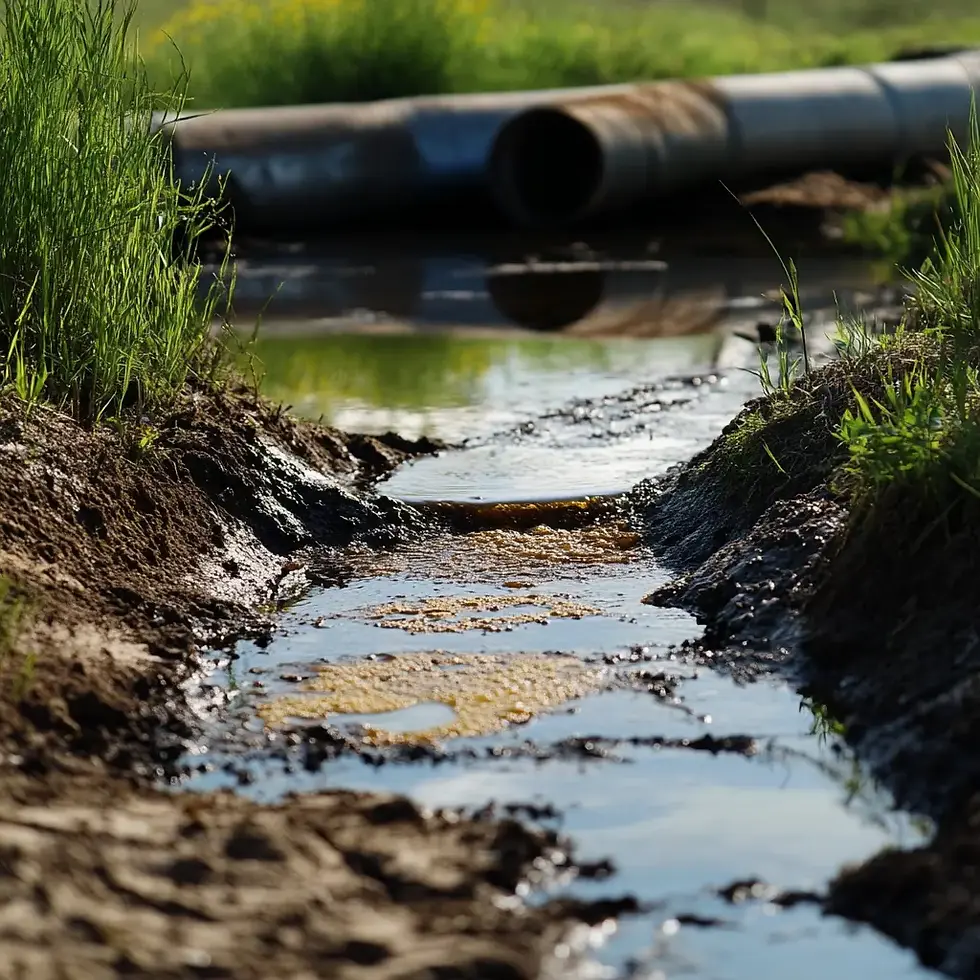
Oil sheen on standing water nearby
Strong petroleum odors in soil around the tank
Discolored snow or soil near the tank location
Conducting a Quick Tank Inspection
You don't need to be an expert to perform a basic safety check. Here's what you can do:
For indoor tanks: Walk around your tank with a flashlight, looking carefully at all visible surfaces. Check the floor beneath and around the tank for any signs of oil. Pay special attention to the bottom of the tank where corrosion often starts, and examine all connections, valves, and pipes.
For outdoor tanks: Clear away snow to inspect the tank's base and surrounding ground. Look for any discoloration in snow or ice that could indicate a leak. Check that the tank is level and properly supported—shifting ground can stress connections.
Check your oil gauge and delivery records. If your consumption seems unusually high, or your tank needs filling more frequently than in previous winters, this could indicate a leak.
When to Call a Professional
While regular visual inspections are important, some situations require professional evaluation:
Your tank is more than 15 years old
You see any signs of corrosion or damage
You notice any of the warning signs listed above
You're purchasing a property with an existing tank
It's been more than a year since your last professional inspection
TERRA Environmental specializes in heating oil tank assessments, leak detection, and environmental remediation throughout New England. Our certified technicians use advanced detection equipment to identify leaks before they become major problems.
The Cost of Waiting
A small leak can quickly become a major environmental and financial problem. Heating oil contamination can:
Require extensive soil and groundwater remediation
Cost tens of thousands of dollars to clean up
Affect your property value
Create liability issues with neighbors if contamination spreads
Trigger regulatory enforcement actions
The good news? Early detection and prevention are far more affordable than remediation.
Taking Action This Winter
Don't wait for a catastrophic failure. This extreme cold weather is your reminder to:
Perform a visual inspection of your heating oil tank this week
Schedule a professional tank assessment if your tank is older or showing any warning signs
Keep records of your oil deliveries and consumption to spot unusual patterns
Consider tank replacement if your system is nearing the end of its expected lifespan
Don't let a preventable leak disrupt your winter or damage your property.
Contact TERRA Environmental today to schedule an inspection or learn more about protecting your heating oil tank.


Comments